
+86 18395326713

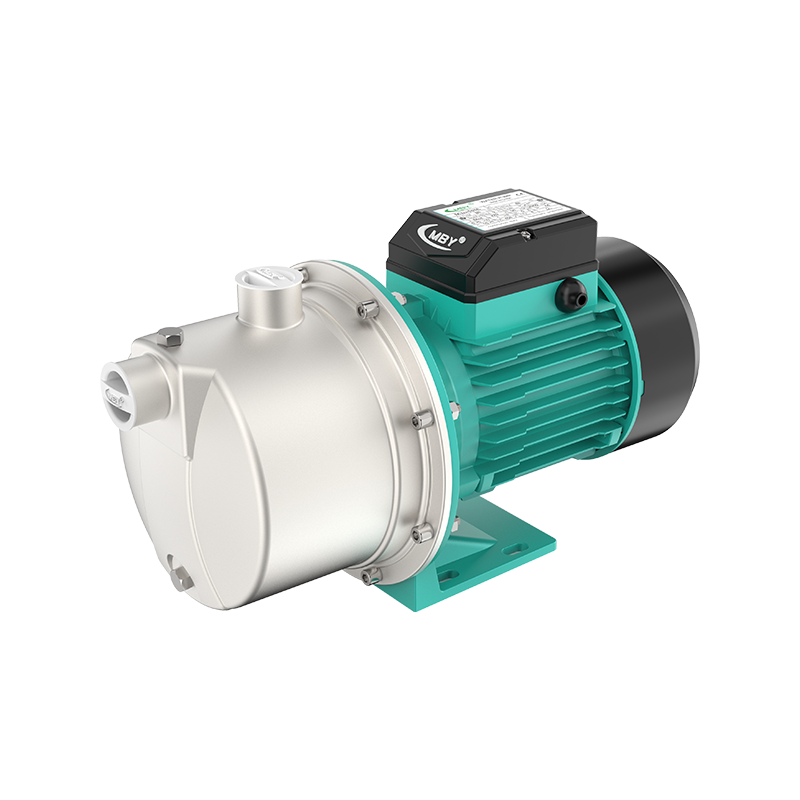
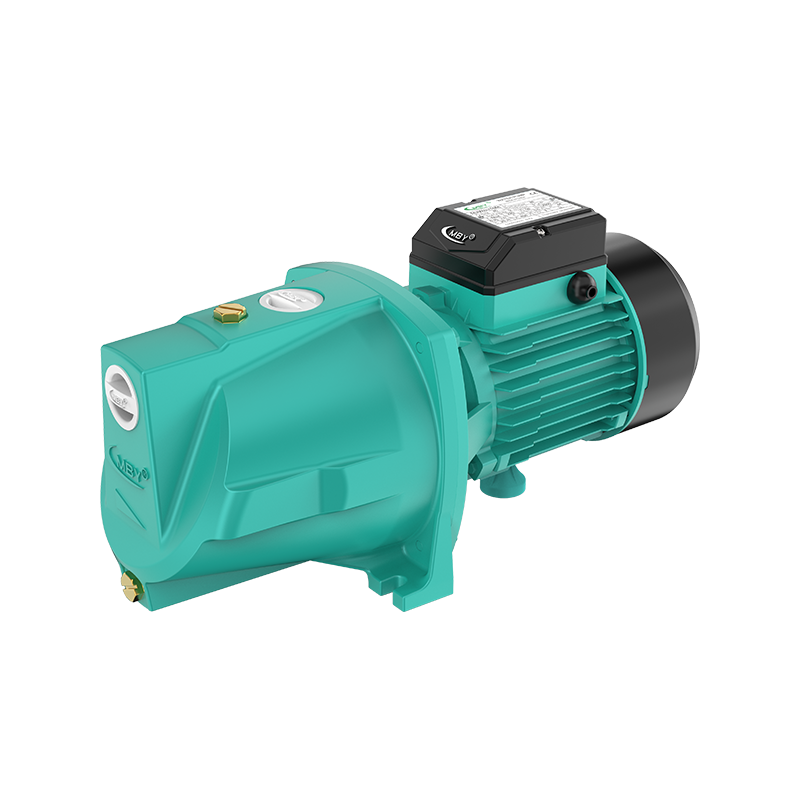
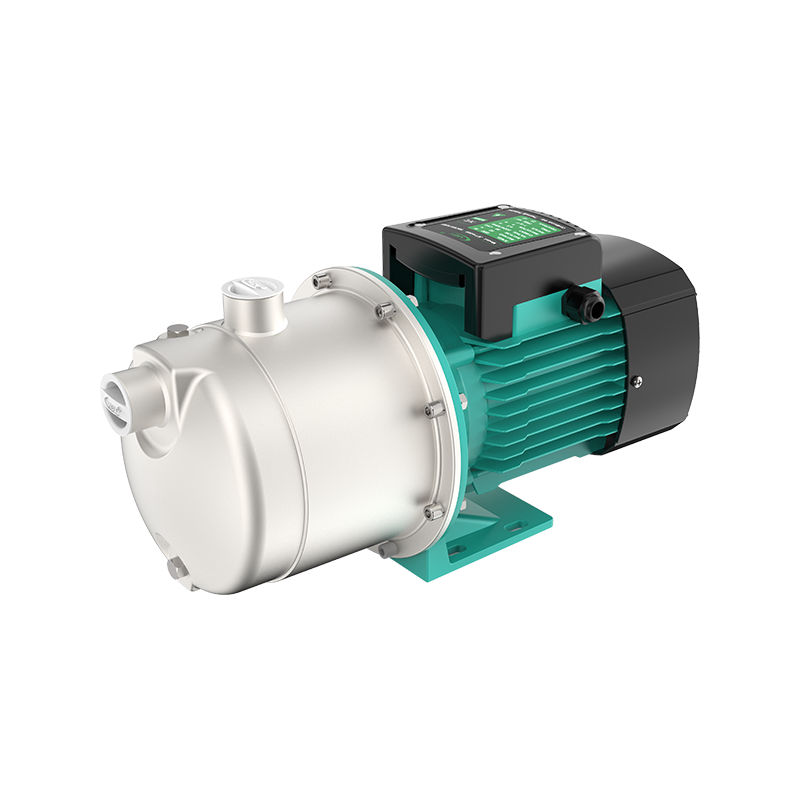
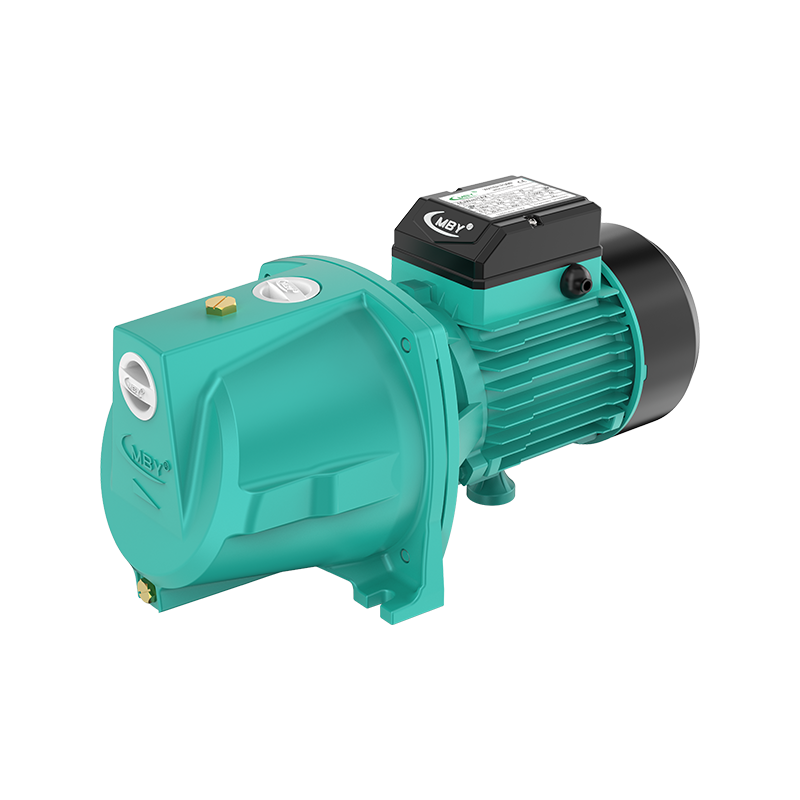
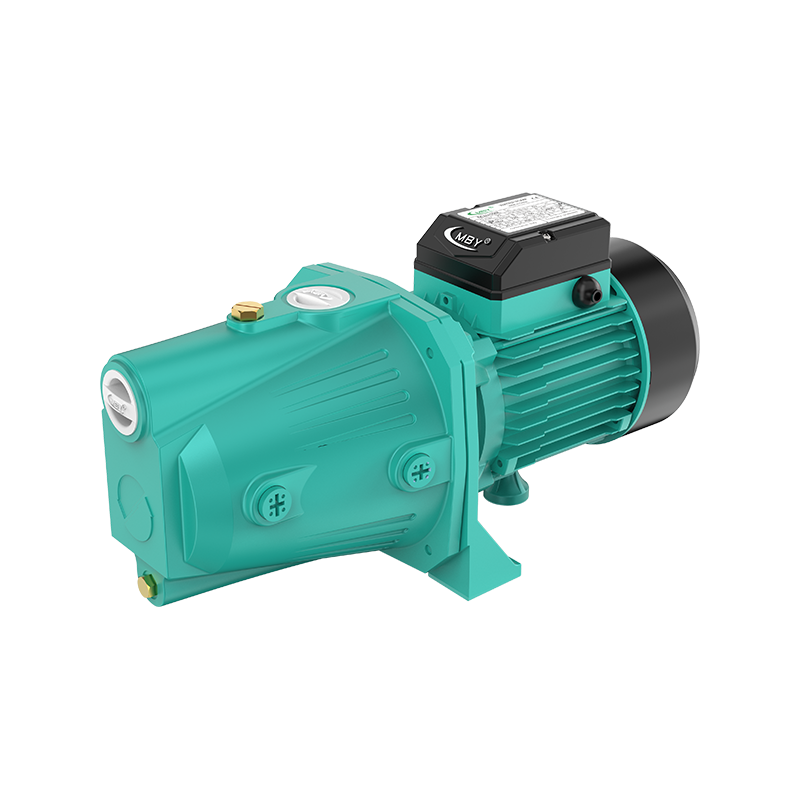
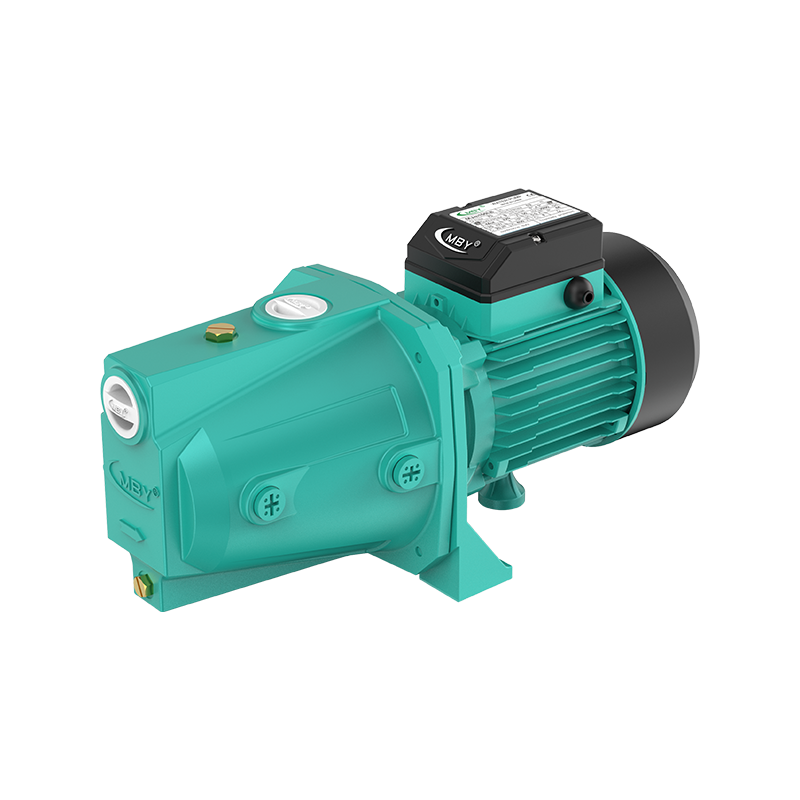
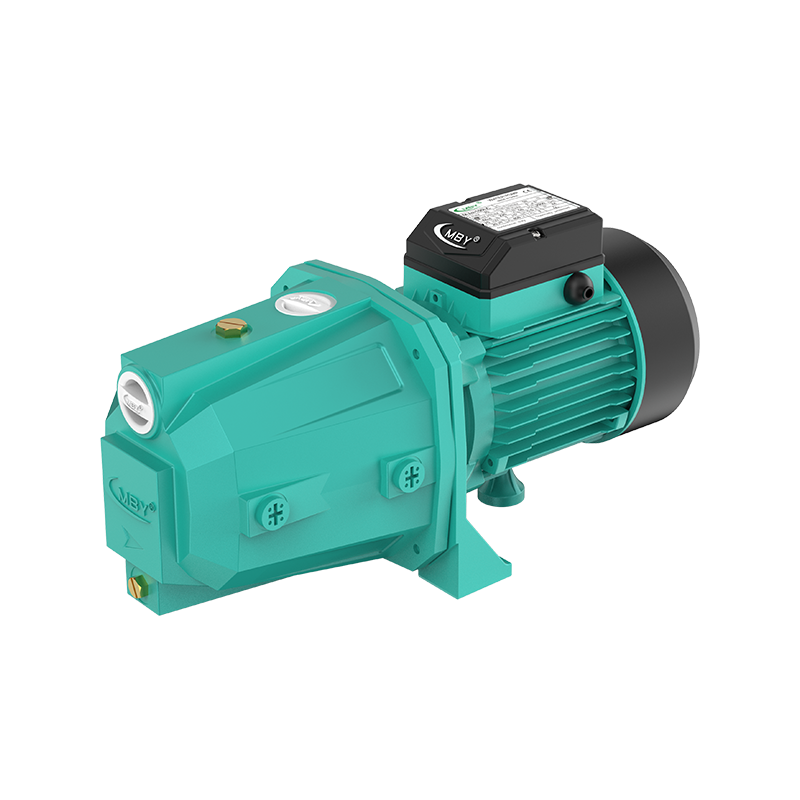
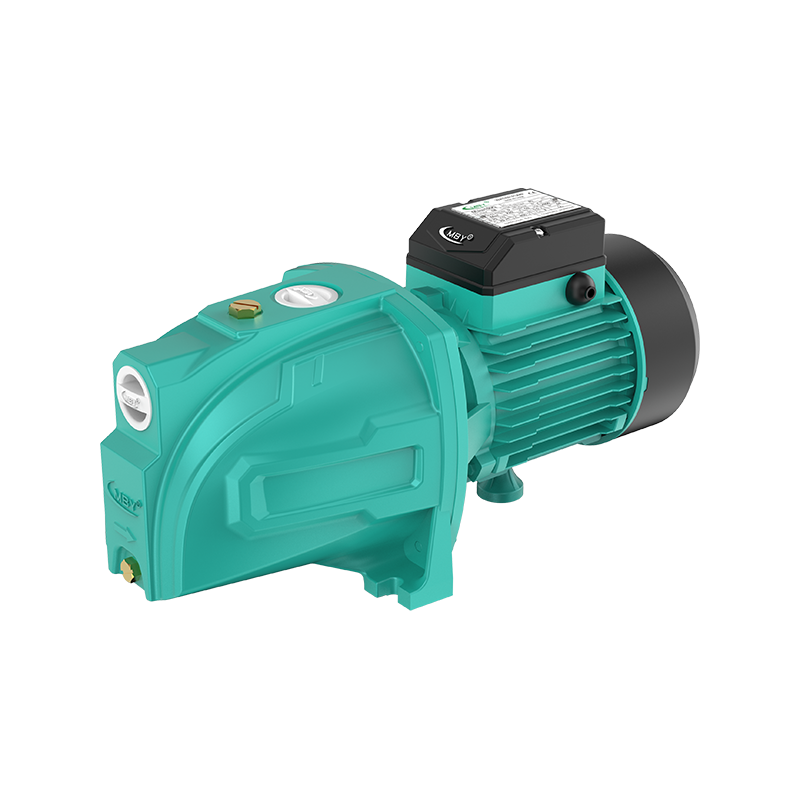
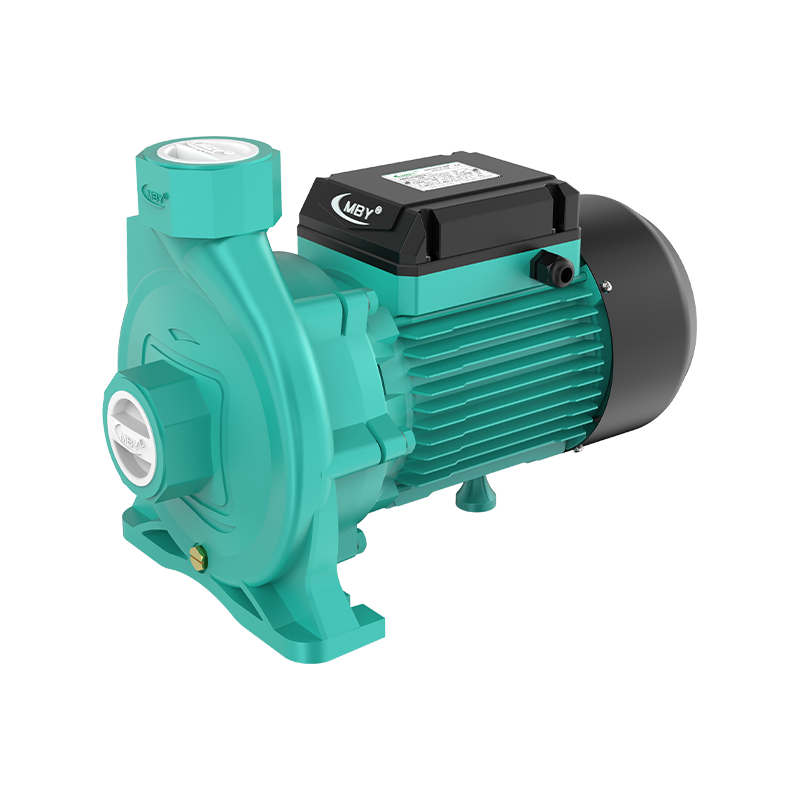
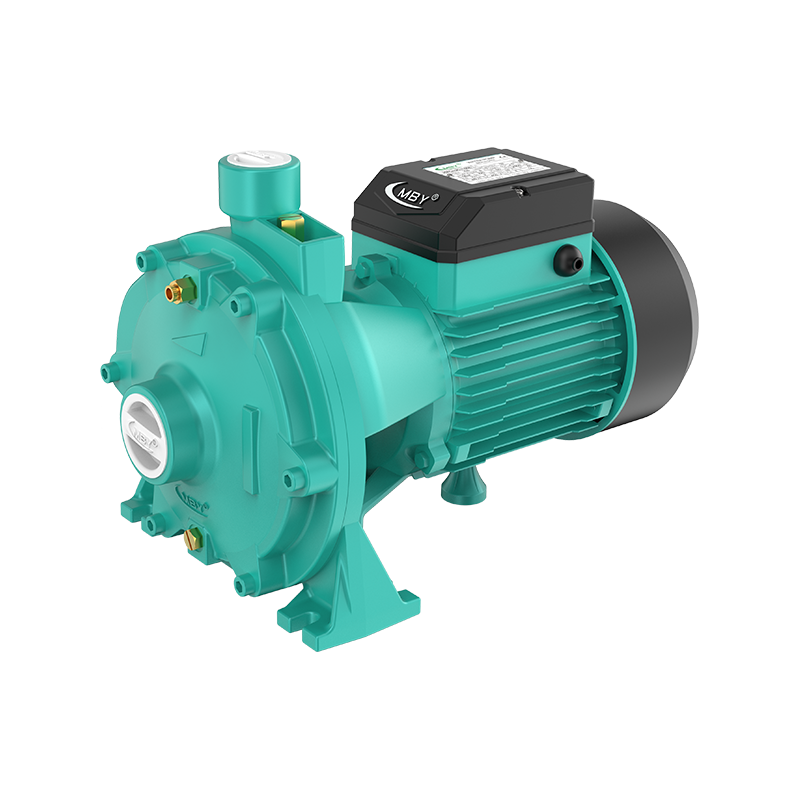
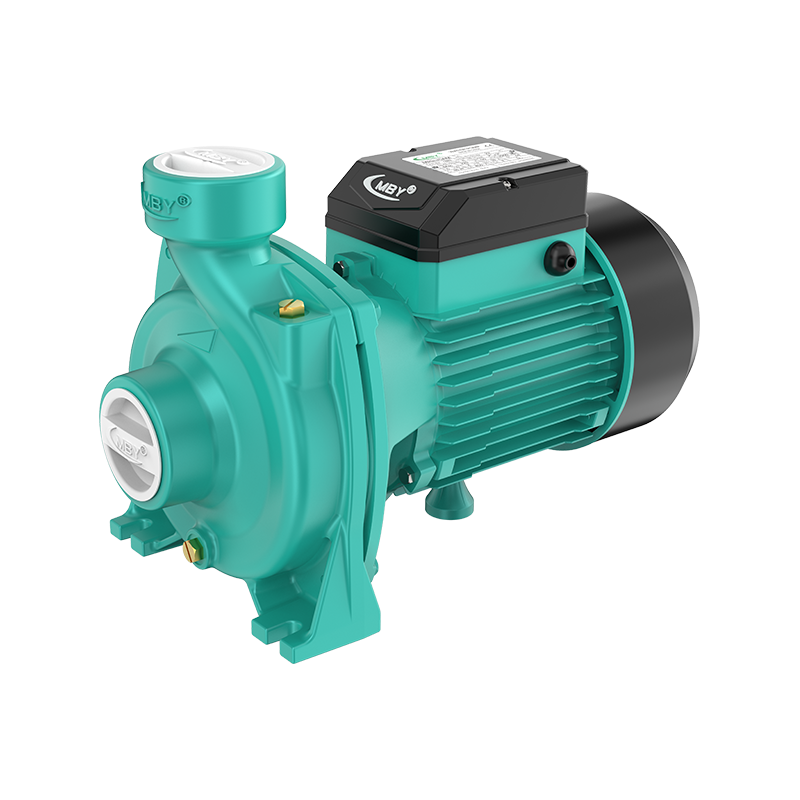
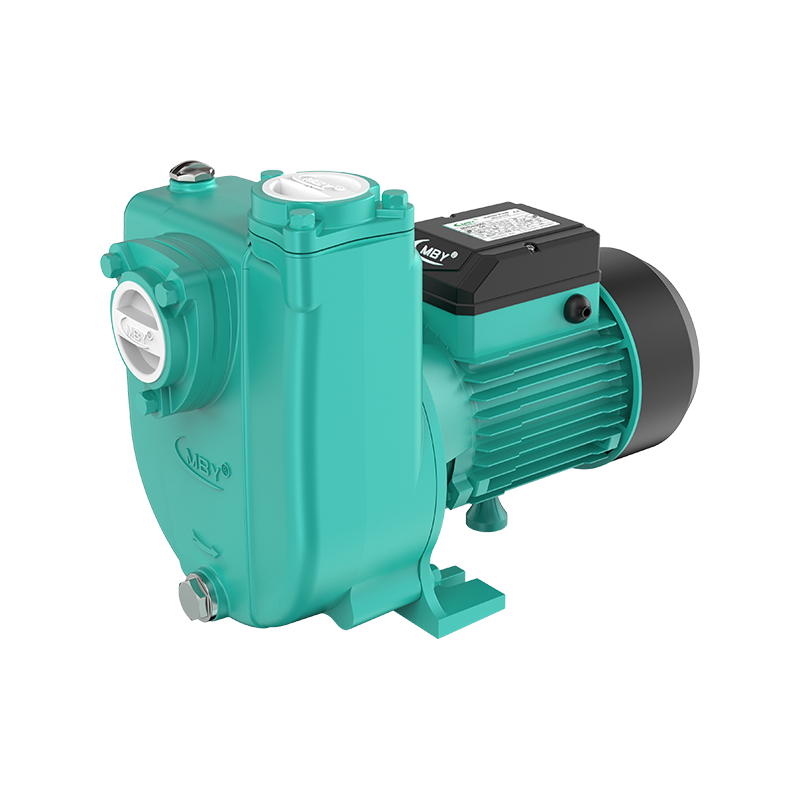
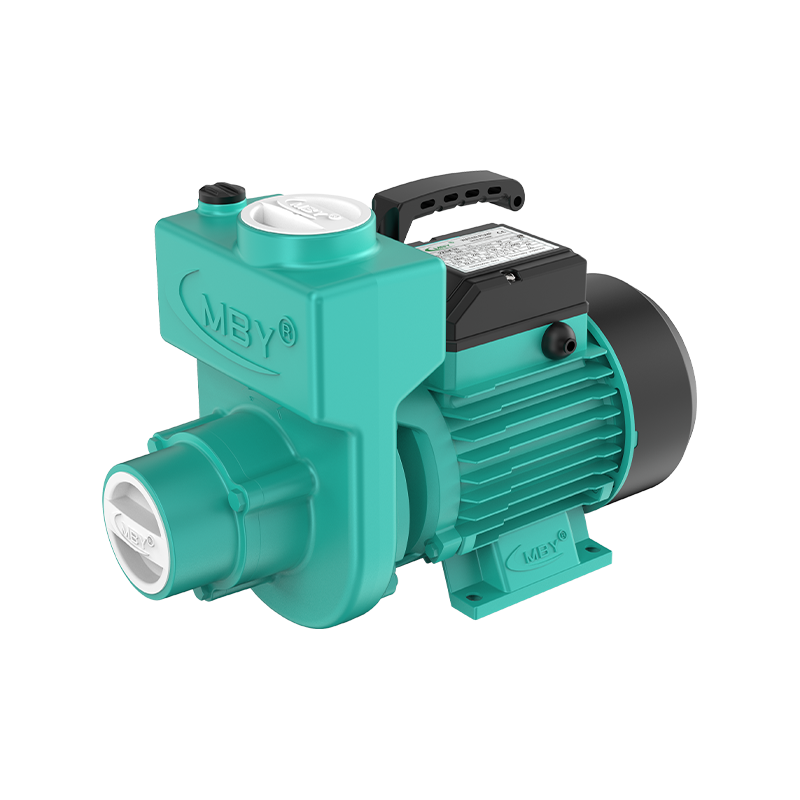
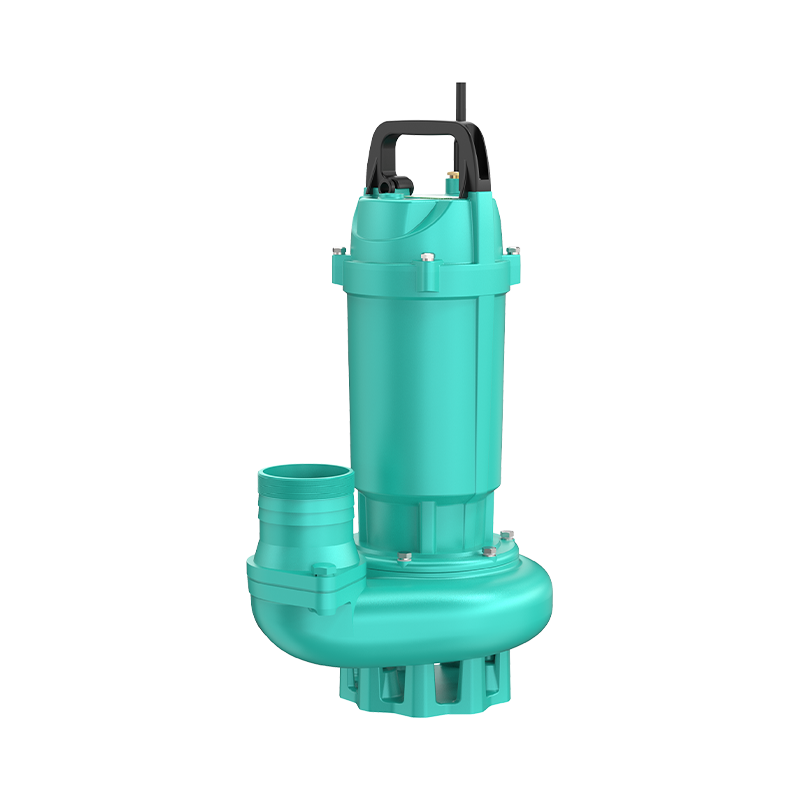
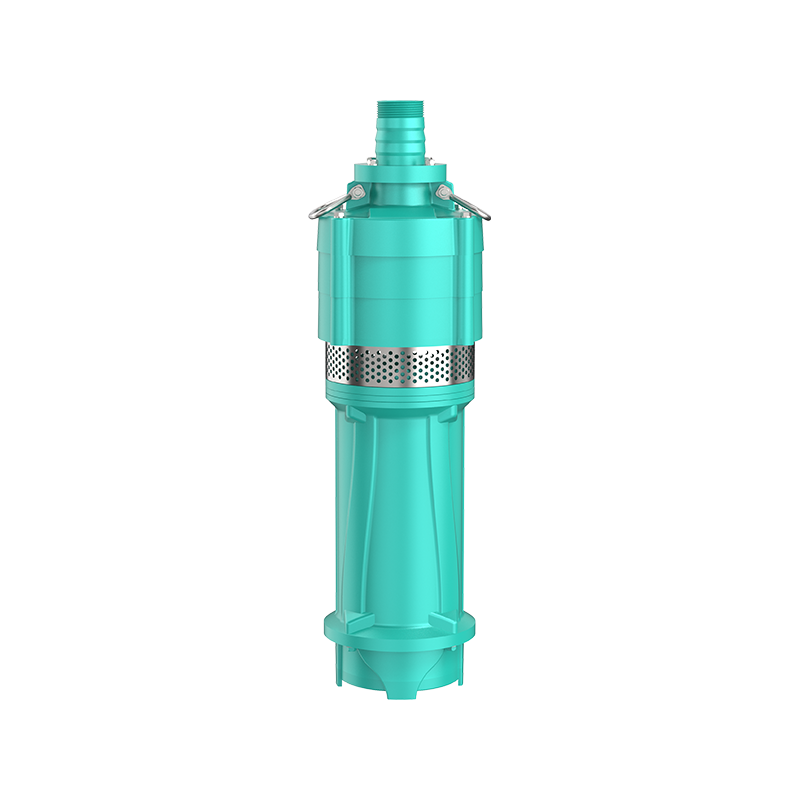
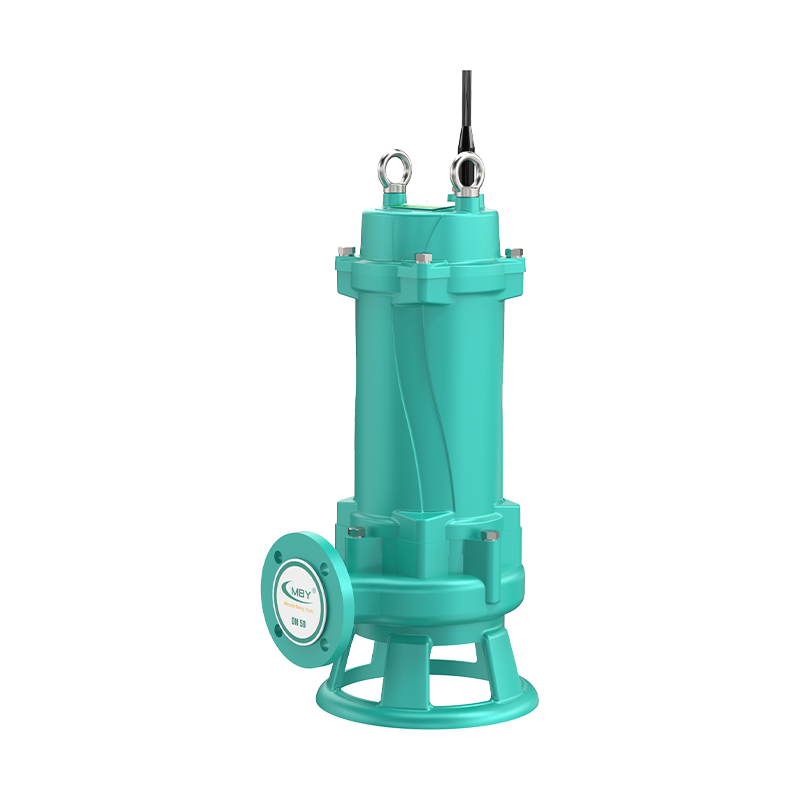
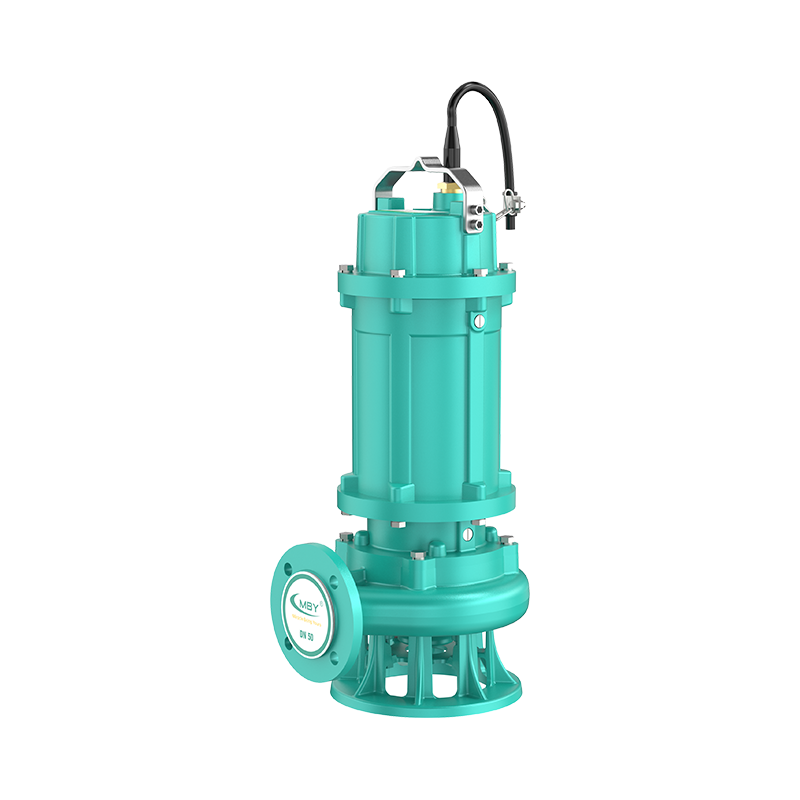
Pompă submersibilă: Scenariile de aplicare sunt destul de diverse. Poate fi folosit pentru scăldat cu izvoare termale, extragerea apei subterane din puțuri adânci și este, de asemenea, potrivit pentru proiecte de extracție a apei, cum ar fi râuri, rezervoare și canale. De asemenea, poate fi folosit pentru irigarea terenurilor agricole, apă pentru oameni și animale în zonele muntoase înalte și drenaj în orașe, fabrici, căi ferate, mine și șantiere și chiar joacă un rol în ajutorarea dezastrelor. Cea mai mare caracteristică este că poate funcționa scufundat în lichid, ceea ce face structura sa compactă și ocupă o suprafață mică. În plus, motorul și pompa de apă a pompei submersibile sunt integrate și nu este necesar un arbore de antrenare lung, astfel încât funcționarea este relativ stabilă. Debitul poate ajunge în general 5-650m³/h, iar înălțimea poate ajunge la 10-550 metri. Diferite tipuri de pompe submersibile au parametri de performanță diferiți, cum ar fi pompe submersibile pentru apă curată, pompe submersibile pentru apă uzată și pompe submersibile pentru apă de mare, care vor fi proiectate și ajustate în funcție de diferite medii de transport. Trebuie să funcționeze complet scufundat în lichid, astfel încât performanța de etanșare a motorului este foarte mare pentru a preveni intrarea lichidului în motor și cauzarea deteriorării. În același timp, diferite tipuri de pompe submersibile sunt potrivite pentru diferite medii lichide, cum ar fi apă curată, canalizare, apă de mare etc.
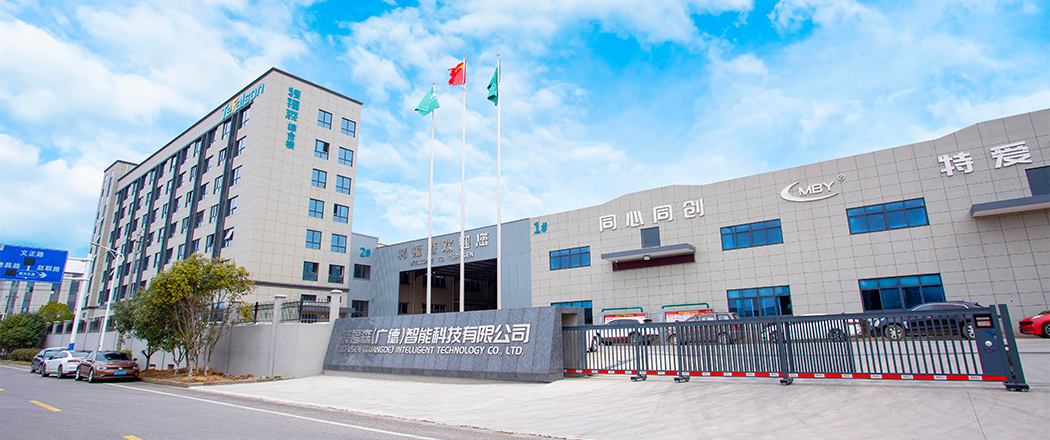
Despre Tefusen
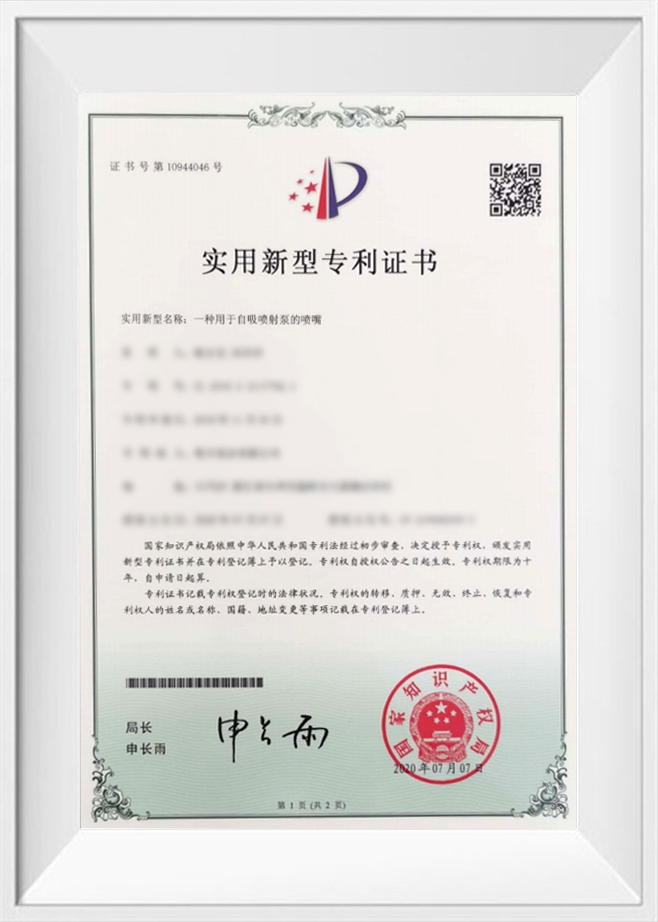
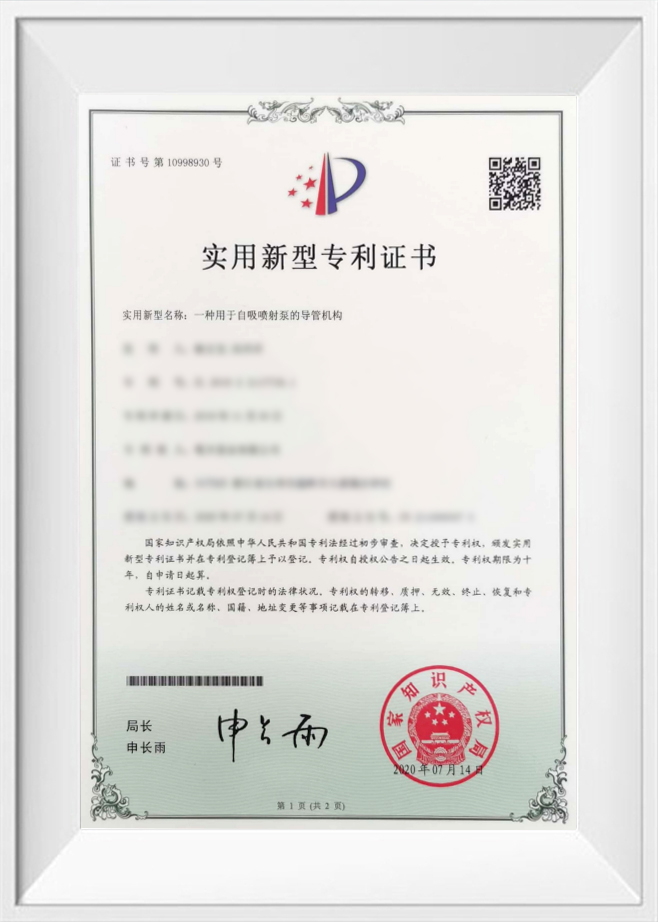
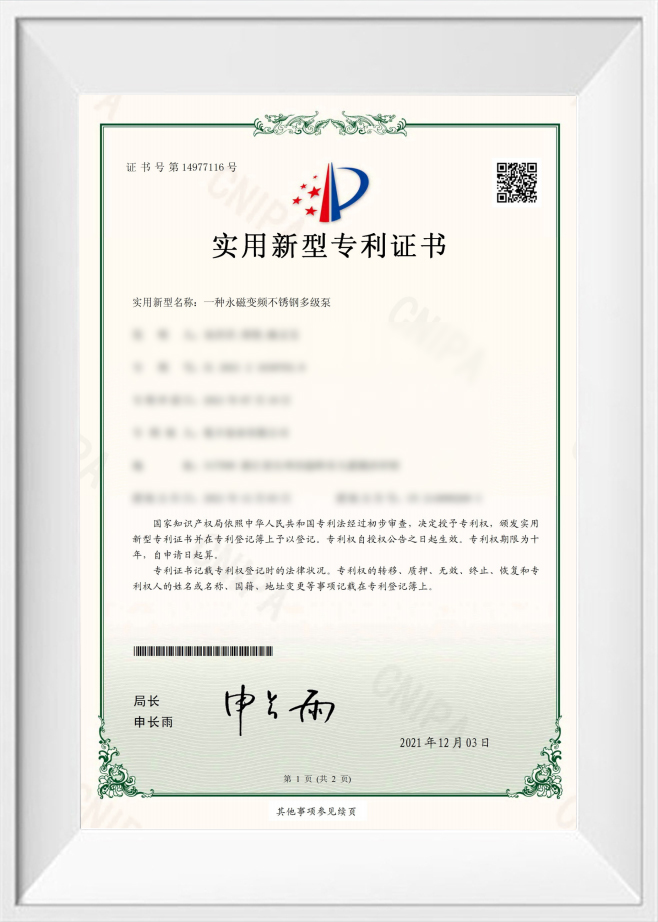
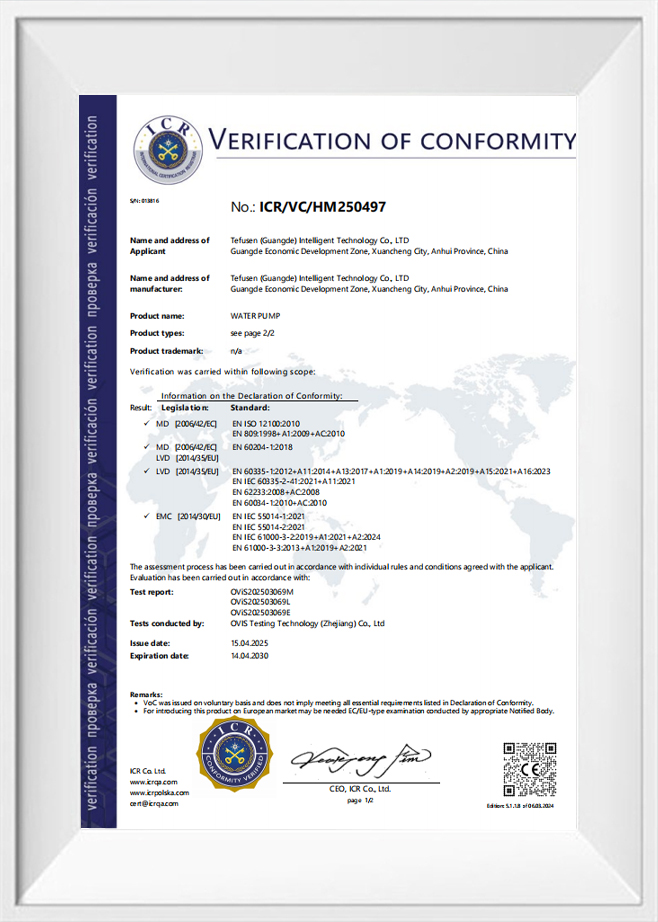
Onoare
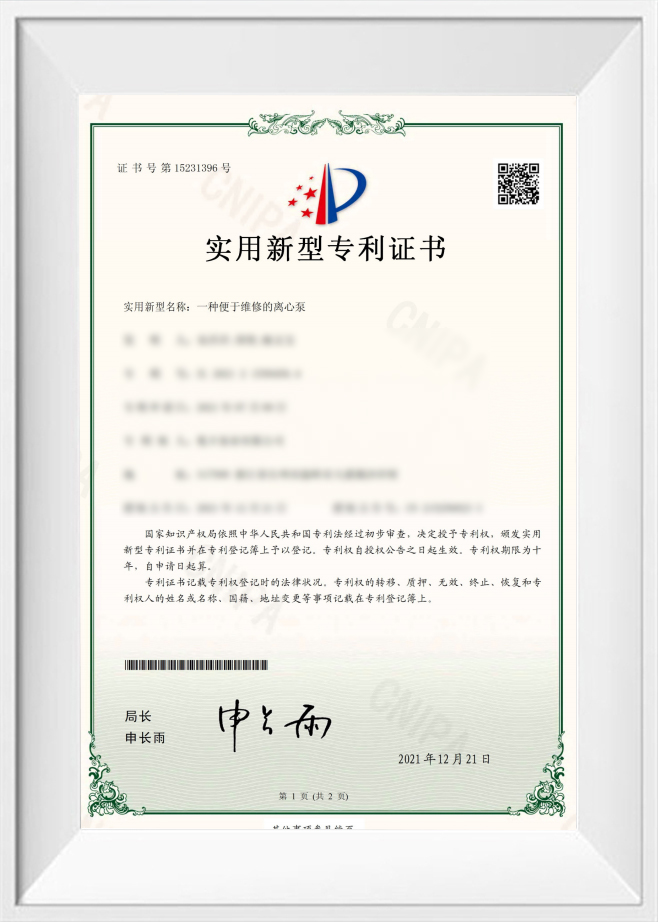
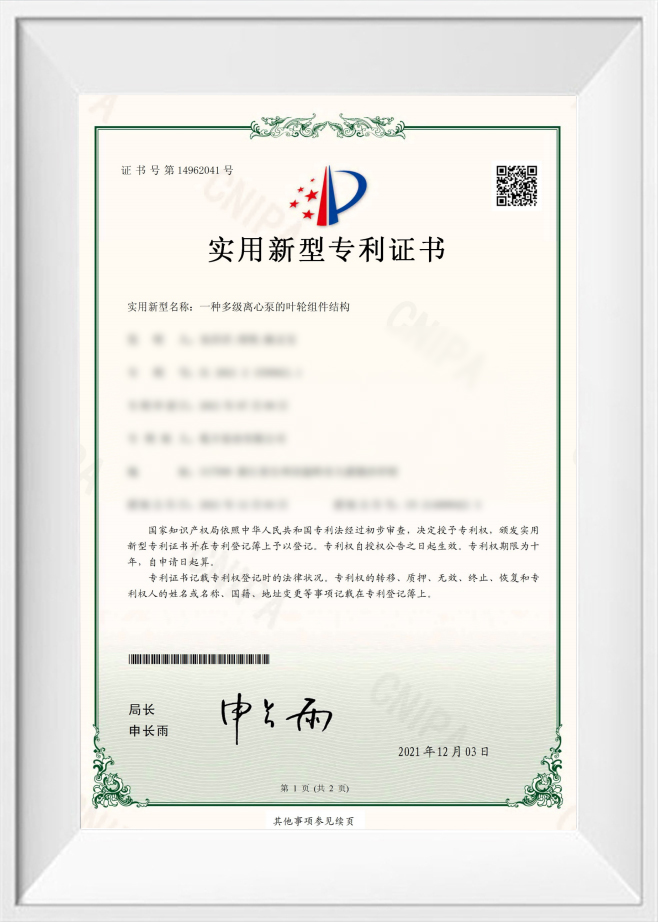
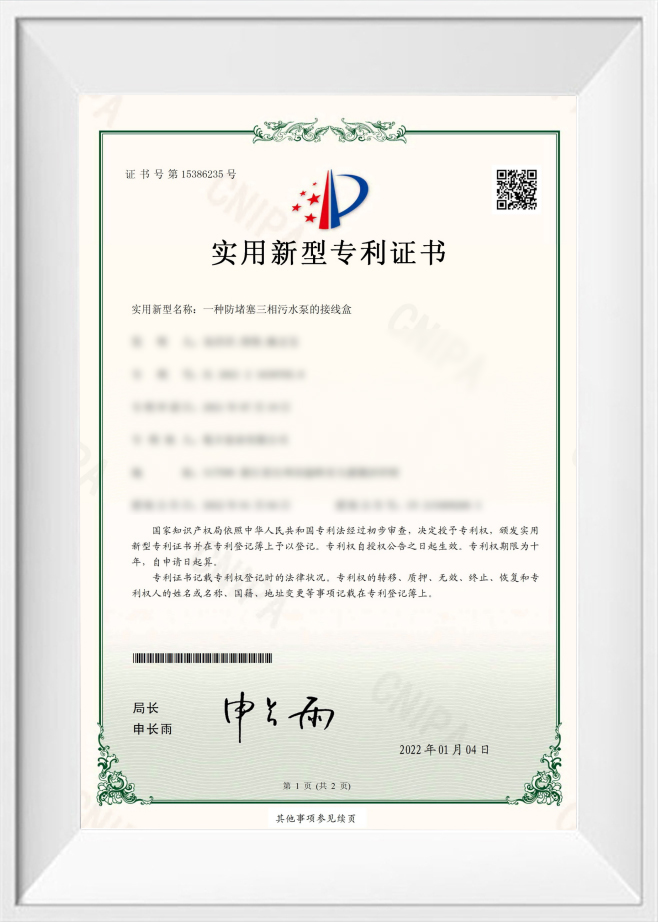
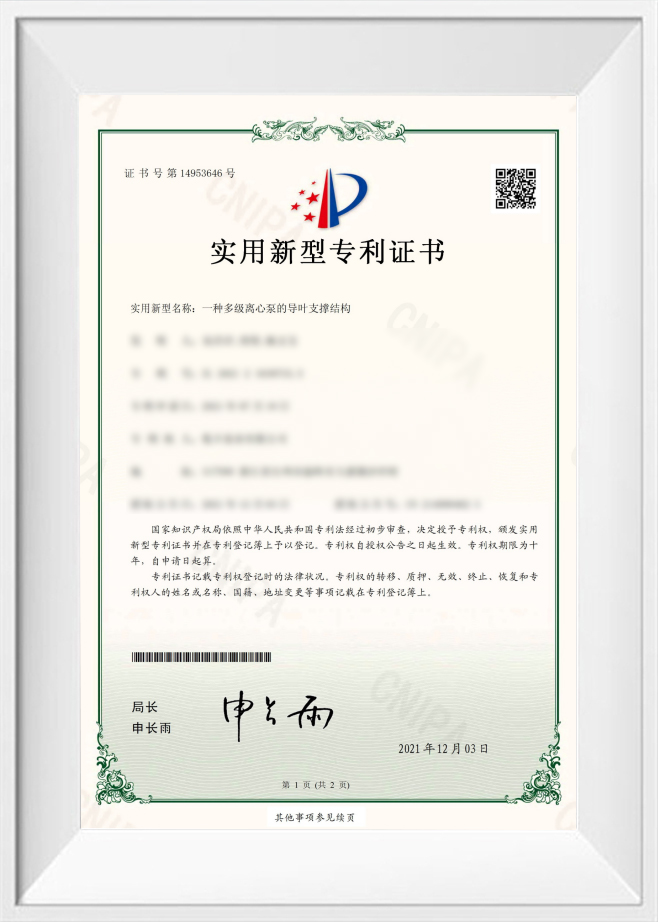
Ultimele noutăți
Pompe submersibile Cunoștințe din industrie
When we think of pumping water, our minds often picture a pump on the surface, pulling liquid from a well or reservoir. However, a more efficient, discreet, and robust solution exists: the submersible water pump. These devices are unsung heroes of engineering, playing a critical role in everything from supplying water to remote communities and irrigating vast farmlands to managing urban drainage and even facilitating leisure activities like hot spring bathing.
The core principle of a submersible pump is its unique ability to be fully submerged in the fluid it is pumping. Unlike surface pumps that rely on suction, which is limited by atmospheric pressure and can lead to problems like cavitation, a submersible pump pushes the fluid from below. Cavitation, a common issue for surface pumps, occurs when a pump struggles to create a vacuum, causing vapor bubbles to form and collapse, which can significantly damage the internal components. By being submerged, these pumps are always surrounded by the liquid, ensuring a continuous flow and smooth, reliable operation. This design eliminates the need for priming, making them ready to work the moment they are placed in the water.
A submersible pump is a marvel of compact engineering. At its heart, it consists of a hermetically sealed motor directly connected to a pump body and an impeller. The motor is specially sealed to prevent any water from getting inside, ensuring its longevity and safety. This motor drives the impeller, a rotating component that uses centrifugal force to push the fluid outward and upward, creating the necessary pressure to lift the water to the surface. This integrated design, which eliminates the need for a long drive shaft, contributes to the pump’s stability and compact footprint.
The versatility of submersible pumps is remarkable, with applications spanning a wide range of industries and needs. For deep-well water extraction, they are the go-to solution for drawing groundwater for both residential and agricultural use. Their ability to handle high pressures and depths (with some models capable of a head up to 550 meters) makes them ideal for this task. In agriculture, they are crucial for irrigation, efficiently moving large volumes of water from rivers, reservoirs, and canals to fields. Their flow rates can be substantial, with many models moving between 5 and 650 cubic meters per hour, making large-scale irrigation projects feasible.
Beyond these common uses, submersible pumps are essential for drainage and flood control in urban areas, factories, and construction sites. They can quickly remove excess water, preventing damage and maintaining safety. In the mining industry, they are used for dewatering to keep mine shafts and tunnels dry. They even play a vital role in disaster relief, rapidly pumping out floodwaters. Specialized models, such as sewage submersible pumps, are designed with larger impellers to handle solids and debris without clogging, making them perfect for municipal wastewater systems.
While the core principle remains the same, submersible pumps are not one-size-fits-all. They are highly specialized and engineered to handle different media. A pump designed for a clean water well would be ineffective for handling the corrosive salt water of the sea. Seawater submersible pumps are constructed from special corrosion-resistant materials to withstand harsh marine environments. Similarly, sewage submersible pumps are built with robust, non-clogging designs to manage wastewater with suspended solids. The sealing of the motor is paramount in all these applications, as any leakage would lead to catastrophic failure.
The performance parameters of a submersible pump, such as its flow rate and head, are crucial for matching the right pump to the job. The flow rate, measured in cubic meters per hour, indicates the volume of liquid the pump can move. The head, measured in meters, refers to the maximum height the pump can lift the fluid. These two parameters are inversely related; as the head increases, the flow rate decreases. This relationship, known as the pump curve, is a critical tool for engineers to select the most efficient pump for a specific application. For instance, a pump for high-volume irrigation will have a high flow rate and lower head, while a deep-well pump will have a high head and a lower flow rate.
The innovation in this field continues to evolve, pushing the boundaries of what these pumps can do. For example, advancements in sealing technology have led to more durable and reliable motors. The integration of intelligent controls has also improved efficiency and reduced energy consumption. This focus on precision and performance is evident in the work of companies like Tefusen (Guangde) Intelligent Technology Co., Ltd., which continues to contribute to the development of robust and efficient fluid transfer solutions. These technological improvements are what make modern pumps so dependable, efficient, and adaptable to a wide array of demanding tasks.
In summary, the submersible water pump’s simple yet brilliant design, coupled with its ability to work seamlessly beneath the surface, makes it an indispensable tool for a variety of applications. From providing clean drinking water to draining flooded cities, its silent power and unwavering reliability are fundamental to the infrastructure of our world.
Contactați-ne
Adresa 1:
No. 4 Taoyuan Road, Taozhou Town, Guangde City, Xuancheng City, provincia Anhui, China
Adresa 2:
Orașul Daxi, orașul Wenling, orașul Taizhou, provincia Zhejiang, orașul industrial de producție inteligentă din China